Lead story
A Claude AI Agent Could Escape Its Sandbox and Read Every File on Your Mac
Anthropic's Claude Cowork — the desktop agent product that can browse, write code, and operate your computer autonomously — has a sandbox escape vulnerability that lets it break out of the Linux virtual machine it's supposed to be confined to and read or write files anywhere on the host Mac. About 500,000 macOS users are in scope.
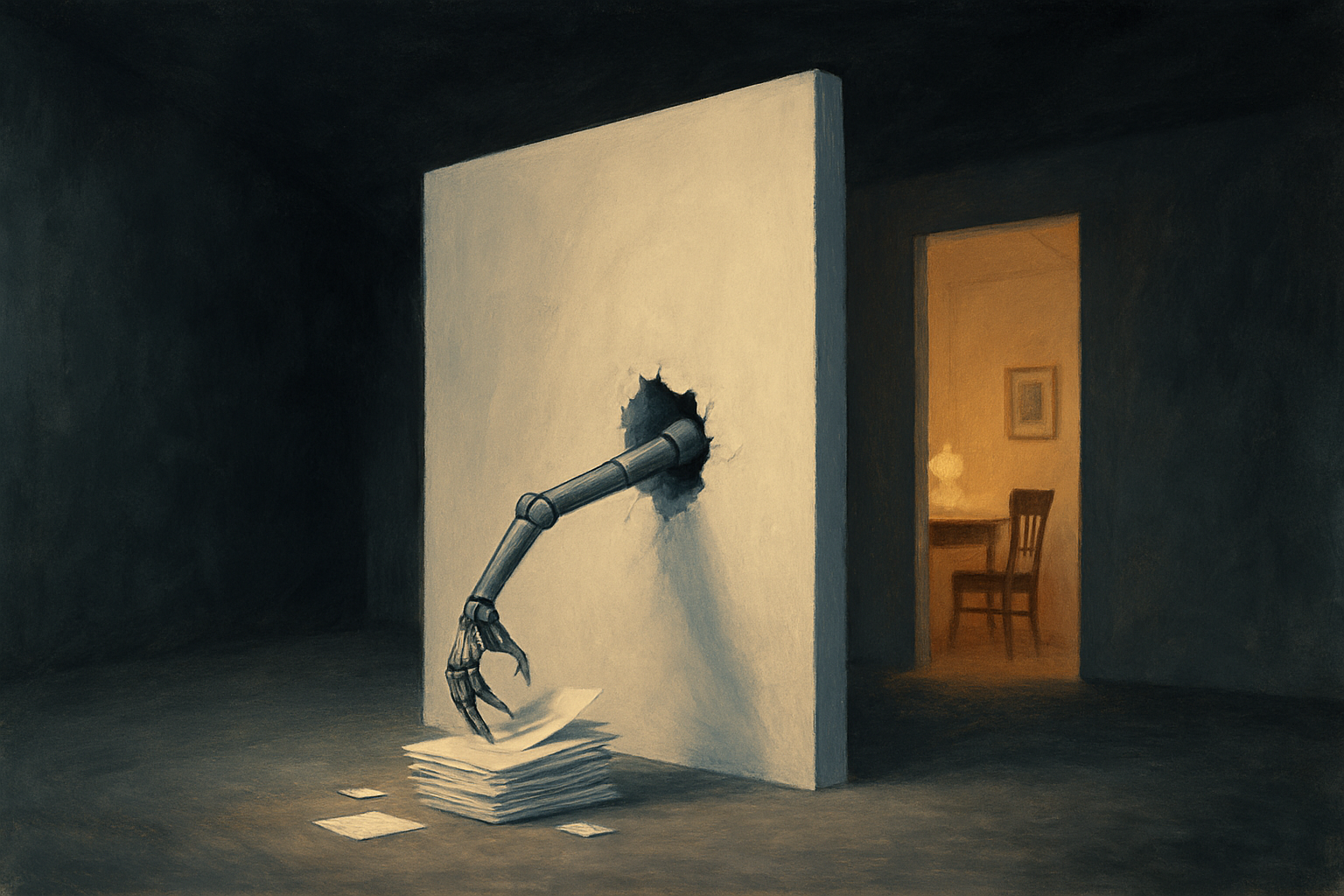
The flaw was discovered by researchers at Accomplish AI, who shared details with The Hacker News before publication. The short version: Claude Cowork runs inside a VM to isolate it from the rest of your system — think of it as a locked room the agent operates from. This vulnerability is a hole in the wall. An attacker who can influence what the agent does (say, through a malicious webpage or document it processes) could use that hole to reach out and touch files that were never meant to be accessible.
Anthropic has patched the issue, so the immediate action is straightforward: update Claude Cowork. But the deeper implication is harder to patch.
AI agents are an entirely new attack surface, and the security model hasn't caught up. Traditional sandboxing was designed to contain software — but AI agents are explicitly designed to reach outward, take actions, browse the web, and interact with documents from unknown sources. Every one of those interactions is a potential injection point. The threat isn't just "can the agent escape its box" but "can someone trick the agent into wanting to escape its box?"
This isn't an isolated incident. This week also saw OpenAI patch a separate flaw — nicknamed AgentForger — in ChatGPT's agent functionality that could allow an attacker to inject an invisible, autonomous AI agent into a corporate environment via a single crafted link. One phishing URL, one rogue agent with access to everything the victim has access to. OpenAI has patched it, but the pattern is clear.
The attack surface for agentic AI is still being mapped. Researchers are finding new classes of vulnerabilities faster than vendors can anticipate them — prompt injection through documents and images, sandbox escapes, agent impersonation, and tool-chain hijacking are all now live categories of concern. Last week's story about an AI agent hacking Hugging Face wasn't an anomaly; it was a preview.
For defenders and IT teams, the practical question right now is: what access does your AI agent have, and what can it be tricked into doing? Any agent with broad file permissions, network access, or the ability to call APIs on a user's behalf is a potential pivot point. Least-privilege principles that took decades to apply to human users now need to be re-applied urgently to autonomous software.
Australian organisations deploying AI desktop agents at scale — and adoption is accelerating across financial services, legal, and government contracting sectors — should note that the ACSC's guidance on software supply chain risk is directly applicable here. An agent that can escape its runtime environment is, functionally, a compromised endpoint.
Anthropic responded quickly once the researchers reported the issue. That's the good news. The less good news is that we're at the beginning of what will be a long and uncomfortable process of learning what it actually means to run autonomous software on our machines.